
Collagen supplements have become a common topic in conversations about aging. Some people add a powder to breakfast for skin hydration, while others consider collagen for joint discomfort, brittle nails, or changes in hair.
The range of products can be confusing. Labels mention marine collagen, hydrolyzed peptides, different collagen types, and combinations with vitamin C or other ingredients. Here, we explore the benefits people associate with collagen, the main supplement options, and common questions about food, preparation, and daily use to help you better understand this range of products.
What Are Collagen Supplements?
Collagen is a structural protein that helps strengthen and support skin, bones, cartilage, tendons, and ligaments. Your body makes it from amino acids and other nutrients you get from food.
Collagen supplements are usually produced from animal tissues. Most powders contain hydrolyzed collagen, also called collagen peptides. Processing breaks the protein into smaller pieces that dissolve more easily in food and drinks. Gelatin also comes from collagen, but it behaves differently in cooking: it forms a gel, while peptide powders generally dissolve without setting.
After you consume it, your body breaks down collagen through digestion. Some small peptides enter the bloodstream, but collagen supplements don’t deliver intact collagen fibers directly to your face. Digestion and absorption are more complex than simply replacing what aging skin has lost.
What Do People Take Collagen For?
Skin hydration and appearance
People often take collagen supplements to help skin look more hydrated, supple, and smooth. Some clinical trials have reported improvements in skin moisture, elasticity, and wrinkle appearance with regular use.
The overall results of a 2025 review of 23 randomized trials also showed improvements in these areas. However, researchers did not see those benefits when they looked separately at higher-quality trials or studies without pharmaceutical-company funding. This means the positive findings are worth investigating, but the benefits are not yet firmly established.
For people who choose to try collagen, it’s best viewed as a possible addition to a skincare routine—not a replacement.
Joint comfort
Joint comfort is another promising area of collagen research, particularly for people with osteoarthritis. Studies have explored both collagen peptides (also called hydrolyzed collagen) and undenatured type II collagen, a different form used in some joint supplements.
In one six-month trial, people taking undenatured type II collagen reported less pain and stiffness and better physical function than those taking a placebo or glucosamine and chondroitin. Studies of collagen peptides have also reported improvements in osteoarthritis symptoms, although research quality varies. These findings suggest collagen may help some people feel more comfortable during everyday activities, but they do not show that it reverses joint damage.
Hair and nails
Collagen is a popular ingredient in beauty supplements, and early research suggests it may help with brittle nails. In one study, participants reported less nail brittleness and improved nail growth after taking collagen for 24 weeks. Because the study included only 25 people and had no placebo group, larger controlled trials are needed to confirm the benefit.
The clinical evidence for hair growth is much less developed. While collagen supplies amino acids the body can use to make proteins, that doesn’t show that taking it produces thicker or faster-growing hair. Nail benefits remain preliminary, and hair-growth claims lack strong clinical evidence.
Muscle and exercise
Collagen provides protein, but it isn’t the best main protein source for building or maintaining muscle. It lacks a complete balance of essential amino acids and contains relatively little of certain amino acids important for muscle protein synthesis. For maintaining muscle as you age, prioritize protein from foods such as eggs, dairy, fish, meat, and soy. Collagen can contribute to your total protein intake, but it does not provide the same balance of essential amino acids.
Marine, Bovine, and Other Collagen Sources
The source tells you where the ingredient comes from. Common options include:
- Marine collagen, usually made from fish skin or scales.
- Bovine collagen, derived from cattle.
- Porcine collagen, derived from pigs.
- Chicken-derived collagen, including some cartilage-based formulations.
You will also encounter collagen types I, II, and III. Type I is abundant in skin, bones, and tendons; type II is prominent in cartilage; and type III occurs in skin and other tissues. Supplements vary in source and processing, and the listed type doesn’t determine exactly where the body will use the digested material.
For shoppers, dietary preferences and allergies are important factors to take into account. If you have a fish allergy, a fish-derived product isn’t suitable, even if it’s been processed.
Choosing a format
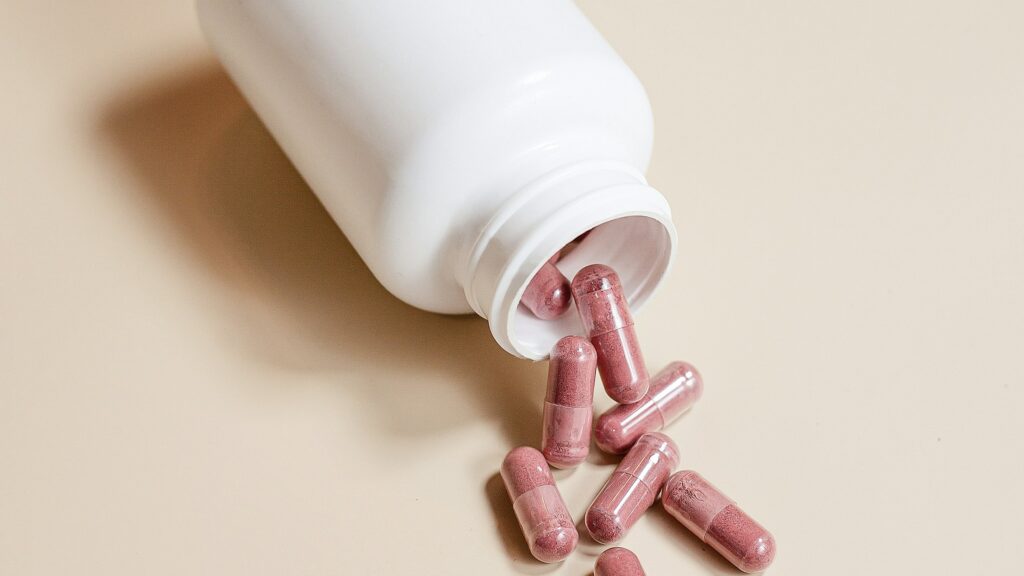
Powders, capsules, drinks, and gummies offer different levels of convenience. Powders mix into foods and beverages. Capsules avoid flavor and mixing, though a full serving may require several capsules. Gummies and prepared drinks often include sweeteners, flavors, or additional nutrients. Check the collagen amount per full serving when comparing formats.
How Collagen Fits Into Everyday Nutrition
Collagen versus protein powder
Collagen and whey or soy protein are not nutritionally equivalent. It’s an incomplete protein, so it shouldn’t be your main way to meet your protein needs.
If you want to stay strong as you age, prioritize adequate food and protein throughout the day. Collagen is an optional addition, not a replacement for meals or complete protein sources. Creatine has another role: it supports rapid energy availability during demanding activity rather than supplying protein directly.
Where vitamin C fits
Vitamin C supports normal collagen production. Citrus fruit, berries, peppers, broccoli, and other produce help supply it. A varied diet provides the nutrients used to make collagen, including protein, vitamin C, zinc, and copper. Supporting that process doesn’t require eating collagen or buying a supplement.
Taking Collagen in Daily Life
Follow the instructions for the product you choose, and you don’t need an elaborate schedule. You can add powders to breakfast or another meal, depending on the preparation instructions and your preferences. Consider the other ingredients, too. A blend containing added vitamins or minerals can overlap with supplements you already take.
Collagen is generally tolerated, although digestive discomfort and allergic reactions can occur. Check the animal source if you have food allergies. If you are pregnant, have kidney disease, or follow a medically prescribed protein restriction, discuss supplementation with your clinician first.
Conclusion
Collagen supplements have several uses, but the product and purpose matter. Skin-focused peptide powders, joint-focused formulations, and protein supplements suit different needs. For skin, benefits center mainly on hydration and elasticity, with results that vary. Joint research also shows promise for improving movement comfort, while hair and nail benefits remain uncertain. Collagen can fit into a routine without becoming a requirement for aging well. Adequate nutrition, movement, skincare, and appropriate medical care remain the foundation.
Frequently Asked Questions
Is marine collagen better than bovine collagen?
Both have been studied, but direct comparisons are limited. Source, processing, and the finished formulation all matter.
Can I put collagen in coffee?
Many hydrolyzed collagen powders are designed to mix into hot or cold drinks, including coffee. Check the preparation instructions for your product.
When is the best time to take collagen?
No particular time of day has an established advantage for general skin benefits. There’s also no clear need to take it on an empty stomach. Choose a time that fits your routine and is comfortable for your digestion. Collagen timing is largely a matter of convenience.
What happens if I stop taking collagen?
Your body continues producing collagen from nutrients obtained through food. Research has not established how long any supplement-related benefits persist after stopping, so there is no reliable timeline for changes in skin or joints. Stopping does not mean your body loses the ability to make collagen.