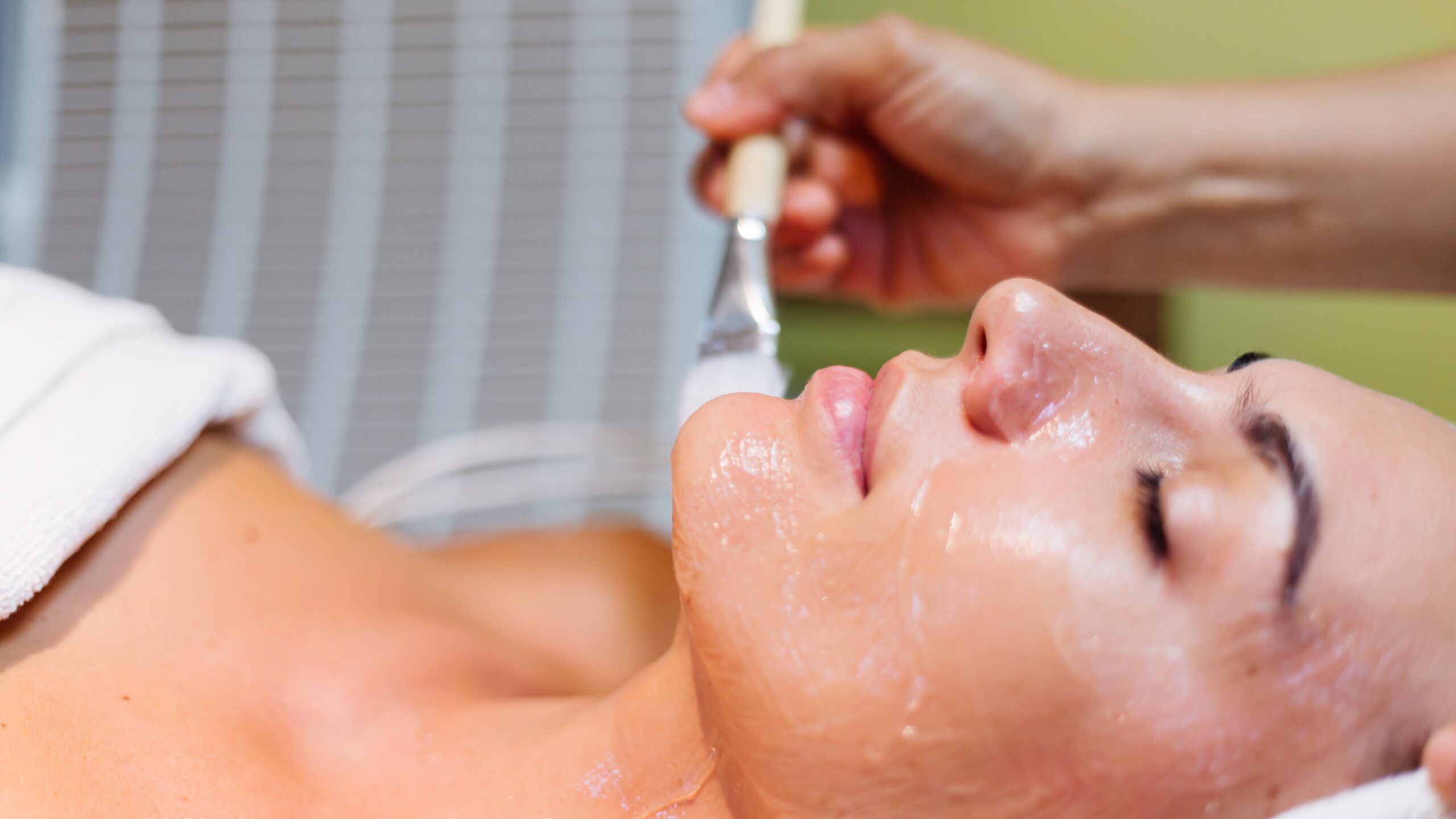
As skin ages, rough texture, uneven pigmentation, and fine lines become more noticeable. When daily skincare is no longer delivering the changes you want, a chemical peel offers another way to improve the skin’s surface.
Treatments range from light peels with minimal downtime to deeper medical procedures that require several weeks of recovery. Understanding those differences helps you choose an option that fits your skin, concerns, and schedule. This guide explains what chemical peels improve, how treatment depths differ, what to discuss before booking, and how to care for your skin afterward.
What Does a Chemical Peel Do?
During a chemical peel, a clinician applies a solution that removes skin at a controlled depth. As the treated area heals, the surface becomes smoother and, depending on your concern, more evenly toned.
Superficial peels affect the epidermis, the outer layer of skin. Deeper treatments reach into the dermis, the supporting layer beneath it. Treatment depth affects both the degree of resurfacing and recovery time. The solution, formulation, and application all affect how a peel works. An acid name or percentage alone doesn’t reflect the complete treatment.
What Can Peels Improve?
Chemical peels treat selected concerns involving texture, pigmentation, and wrinkles, including:
- Rough or uneven skin texture
- A dull-looking complexion
- Certain sun-related brown spots and uneven pigmentation
- Fine lines and selected wrinkles
- Acne and some superficial acne scars
Light treatments generally produce subtler changes that build over a series. Deeper procedures offer more extensive resurfacing but require longer recovery. For example, if photoaging has left your skin rough or uneven, a peel can improve some of those changes. However, it won’t restore lost facial volume or reposition sagging tissue.
Light, Medium, and Deep Peels
The main distinction is depth: how far into the skin the procedure works.
Light or superficial peels
Light peels remove skin from the outer layer. They commonly treat fine lines, mild uneven tone, dryness-related texture changes, and acne. Glycolic acid and salicylic acid are common ingredients in superficial procedures. Temporary stinging, redness, dryness, and flaking are common.
Healing generally takes 1 to 7 days. A series is often needed to achieve the desired result, with the schedule based on your skin’s response. These treatments often suit people who want gradual improvement with less disruption to their daily activities.
Medium-depth peels
Medium peels reach through the epidermis into portions of the upper dermis. They address more noticeable wrinkles, discoloration, and selected acne scars. TCA (trichloroacetic acid) is commonly used, sometimes alongside other ingredients.
Recovery typically involves redness, swelling, crusting, and visible peeling. Surface healing generally takes 7 to 14 days, although redness can last considerably longer. Ask how your face is likely to look and feel during recovery, particularly if you need to plan around work or social events.
Deep peels
Deep peels are intensive medical procedures for selected wrinkles and more significant skin concerns. They require close monitoring, substantial aftercare, and an appropriate medical setting.
Phenol-based treatments also carry risks involving the heart, kidneys, and liver. They require specialist assessment and are not suitable for everyone. Read this comparison of chemical-peel depths to understand how treatment intensity affects the procedure, recovery, and potential complications.
How Do You Choose the Right Peel?
Start with the concern you want to address rather than a preferred acid or concentration. A dermatologist should assess your skin and health history before recommending treatment. Useful questions to ask include:
- What improvement can I realistically expect?
- Why does this peel suit my skin?
- How many sessions are likely?
- What will recovery involve?
- What are the main risks for me?
Mention previous reactions, scarring, pigment changes, cold sores, recent procedures, and all medications—including current or recent isotretinoin use. Your clinician should also know if you are pregnant.
Skin tone and pigmentation history matter
Darker skin tones can be treated successfully, but inappropriate treatment can cause lasting pigmentation problems. Choose a dermatologist experienced in treating your skin tone, especially if you develop dark marks after acne, burns, or irritation. Also have any new or changing marks assessed before your chemical peel. Some lesions resemble ordinary pigmentation but require a different approach.
What Recovery Involves
Even a light peel requires aftercare. Medium and deep procedures involve more structured wound care and follow-up. Depending on treatment depth, skin can feel tight, dry, tender, or swollen. It can also darken temporarily, crust, or flake before healing. Ask what is expected for your procedure so you can distinguish normal recovery from a problem.
Typical chemical-peel healing times are 1 to 7 days for light treatments, 7 to 14 days for medium treatments, and 14 to 21 days for deep treatments. Redness and sensitivity can continue beyond those periods.
Follow the treatment-specific aftercare
Your recovery plan should explain how to wash, moisturize, protect the area, and return to your usual activities.
Common instructions include:
- Use the recommended cleanser, moisturizer, ointment, or dressings.
- Leave peeling skin alone; don’t pick or pull it.
- Avoid scrubs and additional exfoliation.
- Ask when you can resume makeup, exercise, shaving, and hair removal.
- Follow instructions on sun avoidance and sunscreen use.
- Attend follow-up appointments when required.
Do not restart retinoids or other active products simply because visible flaking has stopped. Your clinician can advise when your skin is ready. Contact the clinic if you develop increasing pain, unexpected burning, significant itching, or worsening swelling. Early advice helps address problems before they progress.
Professional Peels Versus Home Exfoliation
An acid toner and a professional peel serve different roles. Products used for exfoliation in a skincare routine generally aim for ongoing surface improvement. Professional procedures involve selected treatment depths, preparation, and aftercare.
Higher concentrations may not necessarily be more effective for your needs. Aggressive exfoliation can cause irritation and worsen dark marks, especially in people prone to post-inflammatory hyperpigmentation. Safe home exfoliation depends on your skin condition, existing products, and how often you use it. Adding acids to a routine that already includes retinoids or other exfoliants can increase irritation.
Leave professional-depth peels to trained clinicians. Don’t try to reproduce the procedure with products purchased online.
Maintaining the Results
Once your skin has healed, consistent care helps maintain a smoother, more even complexion.
Sun protection is particularly important. Further UV exposure can worsen lines and discoloration, and recently treated skin needs careful protection during recovery. Use the products your clinician recommends, then gradually return to your usual routine. You don’t necessarily need additional exfoliation immediately after treatment.
Results vary with treatment depth and the condition being addressed. Skin continues to age, and some concerns require ongoing care or repeat procedures. Discuss a maintenance schedule based on your response. You don’t need another peel at a fixed interval.
Conclusion
Chemical peels can improve rough texture, uneven pigmentation, and selected wrinkles. Light treatments offer gradual results with shorter recovery, while deeper procedures involve more extensive resurfacing and aftercare.
Choose a qualified provider who understands your skin, explains the expected outcome, and gives you a clear recovery plan. A suitable peel should match both the change you want and the aftercare you can manage.
FAQs
Do I have to peel visibly for it to work?
Not necessarily. Flaking varies with the treatment and your skin’s response. The amount you shed does not reliably indicate how much improvement you will get. Ask what to expect from the specific procedure.
How many treatments will I need?
Light peels often involve a series. Medium treatments are sometimes repeated to achieve or maintain results. The schedule depends on the concern, treatment depth, and healing response.
Can chemical peels treat darker skin tones?
Yes. Choosing the right treatment and working with someone experienced with darker skin is important because pigment complications can persist. Discuss any history of dark marks or scarring beforehand.
Should I choose a peel or a laser?
Both address selected texture and pigmentation concerns. The better fit depends on your skin tone, the condition being treated, recovery preferences, and the specific procedure. Our post on laser resurfacing for photoaging explains that alternative in more detail.