Facial skin tightening is a broad category. Radiofrequency, ultrasound, laser resurfacing, microneedling, microcurrent, LED devices, lifting masks, and “firming” skincare are often discussed together, but they do not work in the same way or produce the same level of change.
Some options can gradually improve mild laxity, crepey texture, fine lines, and overall skin firmness. Others may make the face look temporarily more sculpted by reducing puffiness or smoothing the skin’s surface. The most useful starting point is not finding the strongest treatment. It is understanding what is actually changing in your face.
What Does “Skin Tightening” Mean?
A face can look less lifted for several reasons, and those changes often overlap.
Mild skin laxity
As skin ages, it produces less collagen and elastin. It may become thinner, less springy, and slower to recover from repeated movement. This can show up as:
- Fine lines and crepiness on the cheeks or neck
- Skin that feels less resilient
- Mild looseness around the jawline
- A softer facial contour
This is the concern most likely to respond to collagen-focused treatments, including RF, ultrasound, laser resurfacing, and some forms of microneedling.
Volume loss or facial hollowing
Not every “sagging” concern is really loose skin. Facial fat compartments change gradually with age, while rapid weight loss can make the face look more hollow or less supported.
If the cheeks, temples, or under-eye area have lost volume, tightening the skin alone may not produce the result you want. This is also one reason Ozempic face can be confusing: the concern may be volume loss rather than a lack of collagen.
Puffiness and temporary loss of definition
Poor sleep, alcohol, allergies, stress, and normal fluid shifts can make the face look fuller or less defined. Cooling tools, massage, and some masks may temporarily reduce puffiness, but that is not the same as lifting loose skin or rebuilding collagen.
In-Clinic Skin Tightening Treatments
Professional treatments can deliver more energy or create more targeted changes than home devices. They are usually better suited to mild or moderate laxity, texture concerns, and visible photoaging.
Radiofrequency (RF) Skin Tightening
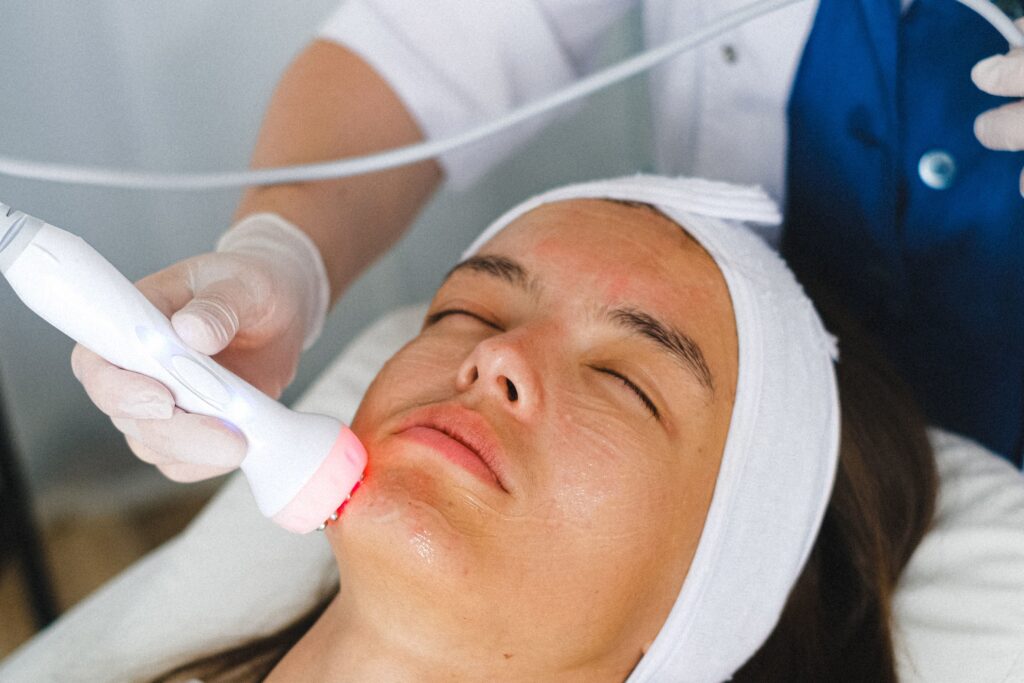
Radiofrequency, usually called RF, uses electrical energy to create controlled heat in the skin. This is intended to support collagen remodeling over time, which may improve firmness, texture, and mild laxity.
RF is often used for:
- Early laxity around the lower face and jawline
- Fine lines around the mouth
- Crepey cheek or neck skin
- General loss of firmness
Results are gradual. Some people notice mild short-term plumping after treatment, but collagen-related changes generally develop over the following weeks and months.
A systematic review of non-invasive RF treatments for facial rejuvenation found generally positive results for firmness, skin texture, and patient satisfaction. RF can be worthwhile for early laxity, but it should not be treated as a predictable non-surgical facelift.
Microfocused Ultrasound
Microfocused ultrasound creates small, controlled zones of heat at selected depths in the skin and underlying tissue. Like RF, its purpose is gradual collagen remodeling rather than immediate lifting.
It is often considered for:
- Mild lower-face laxity
- Jawline softness
- Early neck laxity
- Mild brow-lifting effects
Microfocused ultrasound may make sense for someone who is beginning to notice a softer contour but does not have substantial excess skin. It cannot restore lost facial volume or reposition heavily descended tissue.
RF Microneedling
RF microneedling combines tiny needles with radiofrequency energy delivered into the skin. It is often considered when someone has a mix of concerns, including:
- Acne scars
- Fine lines
- Enlarged pores
- Uneven texture
- Mild laxity
- Crepey skin
This is not simply a stronger version of a home RF device. RF microneedling is a medical procedure with different treatment depths, downtime, and risks. In fact, the FDA has warned about reports of serious complications from certain RF microneedling uses, including burns, scarring, fat loss, nerve damage, and disfigurement. For your own safety, it’s best not to use it at home.
If you are considering RF microneedling, ask about the provider’s experience with your skin type, pigmentation history, the specific device being used, and how the treatment plan is adjusted for your facial anatomy.
Laser Resurfacing
Laser resurfacing is often more useful for improving skin quality than for creating a true lift. It may help with:
- Fine lines
- Crepey texture
- Roughness
- Uneven pigment
- Sun-related skin changes
Our post on laser resurfacing for photoaging explains where laser treatment can make the biggest difference. By improving texture and stimulating collagen remodeling, laser treatment can make skin appear smoother and firmer. But smoother skin is not the same as lifting deeper tissue. Lasers cannot restore lost volume or remove significant loose skin.
Injectables and Threads
Sometimes the concern described as “sagging” is primarily volume loss. In that case, an experienced injector may discuss fillers or biostimulatory injectables that improve support or encourage collagen production over time.
Threads may create some mechanical lifting, but results and longevity vary. Neither fillers nor threads should be casually described as a non-surgical facelift.
A thoughtful consultation should explain:
- Whether skin laxity or volume loss is the main concern
- Why adding volume may help or make the face look heavier
- Whether an energy-based treatment is a better match
- When surgery may be the more predictable option
At-Home Skin Tightening Devices
At-home devices can be useful for people with early concerns who want a lower-cost, lower-downtime option. They generally use less energy than professional treatments, so results tend to be gradual and subtle.
Consistency matters. A device used occasionally is unlikely to change much. Regular use over several months may improve the look of mild laxity, fine lines, or skin texture.
At-Home RF Devices
At-home RF devices are one of the most relevant choices for skin firmness concerns. They use radiofrequency energy to warm the skin, but at lower power levels than clinic devices.
The most realistic goals are:
- Mild improvement in skin firmness
- Smoother-looking texture
- Softening of fine lines
- Support for early laxity around the cheeks or jawline
A controlled trial of a home RF device reported improvements in facial wrinkles, texture, and elasticity after eight weeks of use. That is encouraging, but the evidence applies to the particular device and protocol studied, not to every RF tool available. Home RF is unlikely to dramatically change jowls, remove loose skin, or replace lost facial volume.
Some RF devices require a conductive gel, while others are designed for gel-free use. Gel-based devices generally use the gel to help the treatment head glide, maintain even skin contact, and protect the skin. Gel-free devices mostly rely on a different treatment mechanism, contact sensor, or electrode design.
The key rule is simple: follow the instructions for your specific device. Do not use a gel-required RF device on dry skin, and do not assume that a gel-free device will work better.
When comparing home RF devices, look for:
- Clear treatment instructions and session limits
- Guidance showing that the device is intended for facial use
- Contraindications and safety information
- Skin-contact or temperature-control features, where relevant
- Evidence for that specific device rather than broad RF marketing claims
Microcurrent Devices
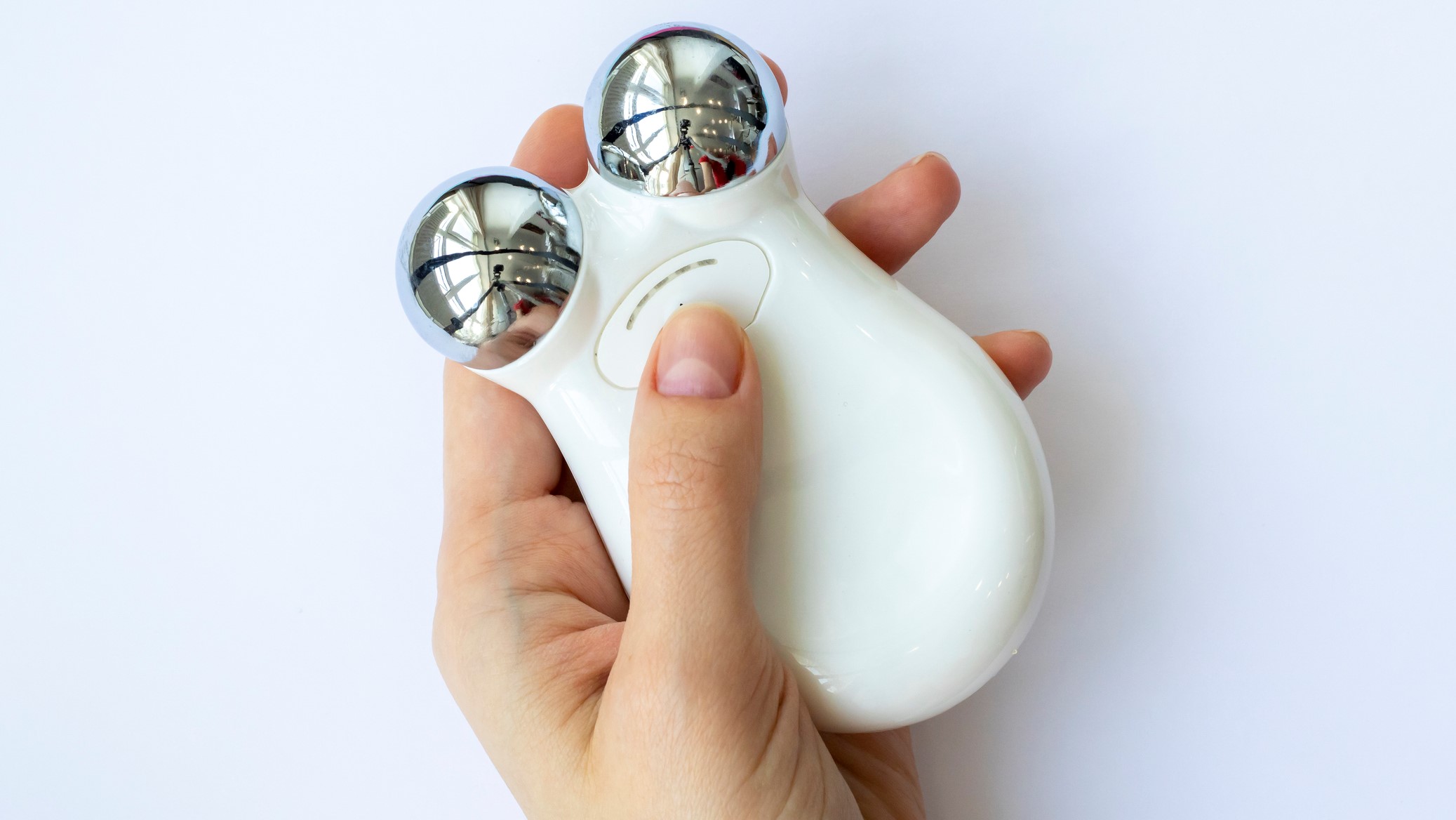
Microcurrent devices use a low electrical current and are often marketed as facial toning or lifting tools. They may create a more defined appearance immediately after a session, particularly around the cheekbones and jawline.
Microcurrent is better understood as a temporary skin lifting tool than a long-term collagen-remodeling treatment. It may help with the look of facial tone or puffiness, but it should not be presented as a way to structurally lift loose skin.
A review of home-use facial devices found some positive results, including improvements in wrinkles and facial appearance. However, research methods, devices, and treatment schedules vary substantially, so results should not be overgeneralized. Most microcurrent tools require a conductive gel or serum. This helps the current travel comfortably and evenly between the device and the skin.
LED Devices
Red and near-infrared LED devices are best viewed as tools that improve your skin-quality rather than tightening devices. They support a healthier-looking complexion and soften the appearance of fine lines over time, but they are unlikely to dramatically change jowling or lower-face laxity.
LED can still be a useful part of a long-term routine focused on skin health. Our guide to red light therapy across the decades covers realistic expectations in more detail.
Lifting Masks and Facial Tools
K-beauty lifting masks, V-line masks, chin straps, gua sha, rollers, and cooling tools have a different role from RF, laser, or ultrasound.
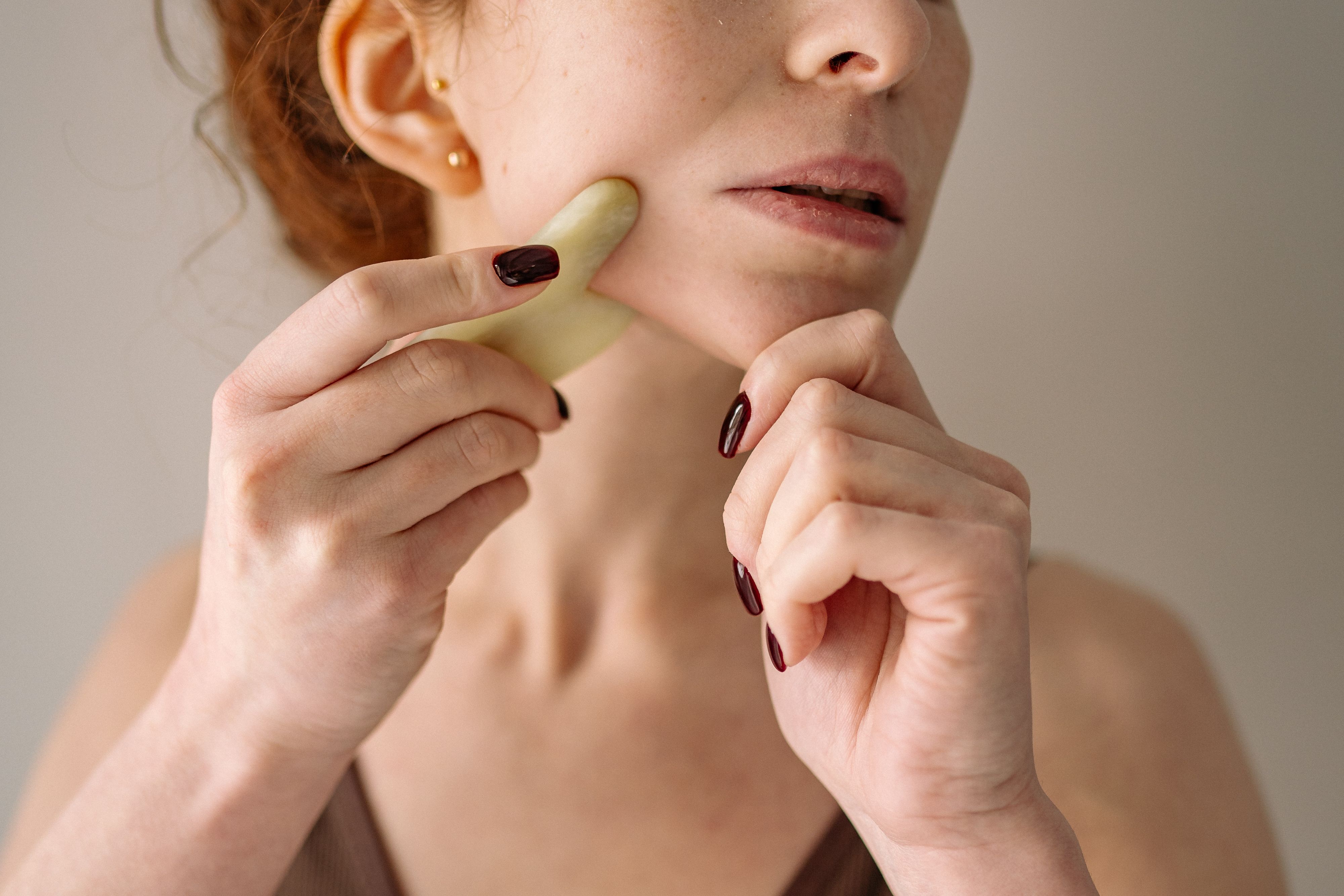
They may temporarily improve the look of the face through:
- Cooling and reduced puffiness
- Hydration that softens fine lines
- Gentle compression around the jawline
- Massage-related fluid movement
- Film-forming ingredients that create a brief taut feeling
These effects can be useful before an event or after a restless night. But they do not rebuild collagen, reduce facial fat, or permanently lift the jawline. Think of them as short-term appearance boosters rather than structural skin-tightening treatments.
The Routine That Supports Firmer-Looking Skin
Skincare cannot physically lift loose skin, but it can improve the factors that make laxity look more visible. Better hydration, smoother texture, and daily UV protection can make skin look fresher and more resilient.
A supportive routine may include:
- Daily broad-spectrum sunscreen
- A retinoid, if tolerated
- Topical vitamin C for antioxidant support
- Barrier-supportive ingredients such as ceramides and panthenol
- Sleep, stress management, and nutrition habits that support overall skin health
The Honest Takeaway
Non-surgical skin tightening works best for mild laxity, early loss of firmness, fine lines, and crepey texture. In-clinic RF, ultrasound, RF microneedling, and laser resurfacing can create more targeted collagen-focused changes. At-home RF, microcurrent, and LED devices can support gradual improvement, but they require consistency, and it’s important to set realistic expectations. The goal is not to find the strongest treatment option. It should be to understand what is changing in your face, then choose an option that matches that concern, and avoid treatments that promise more than they can realistically deliver.