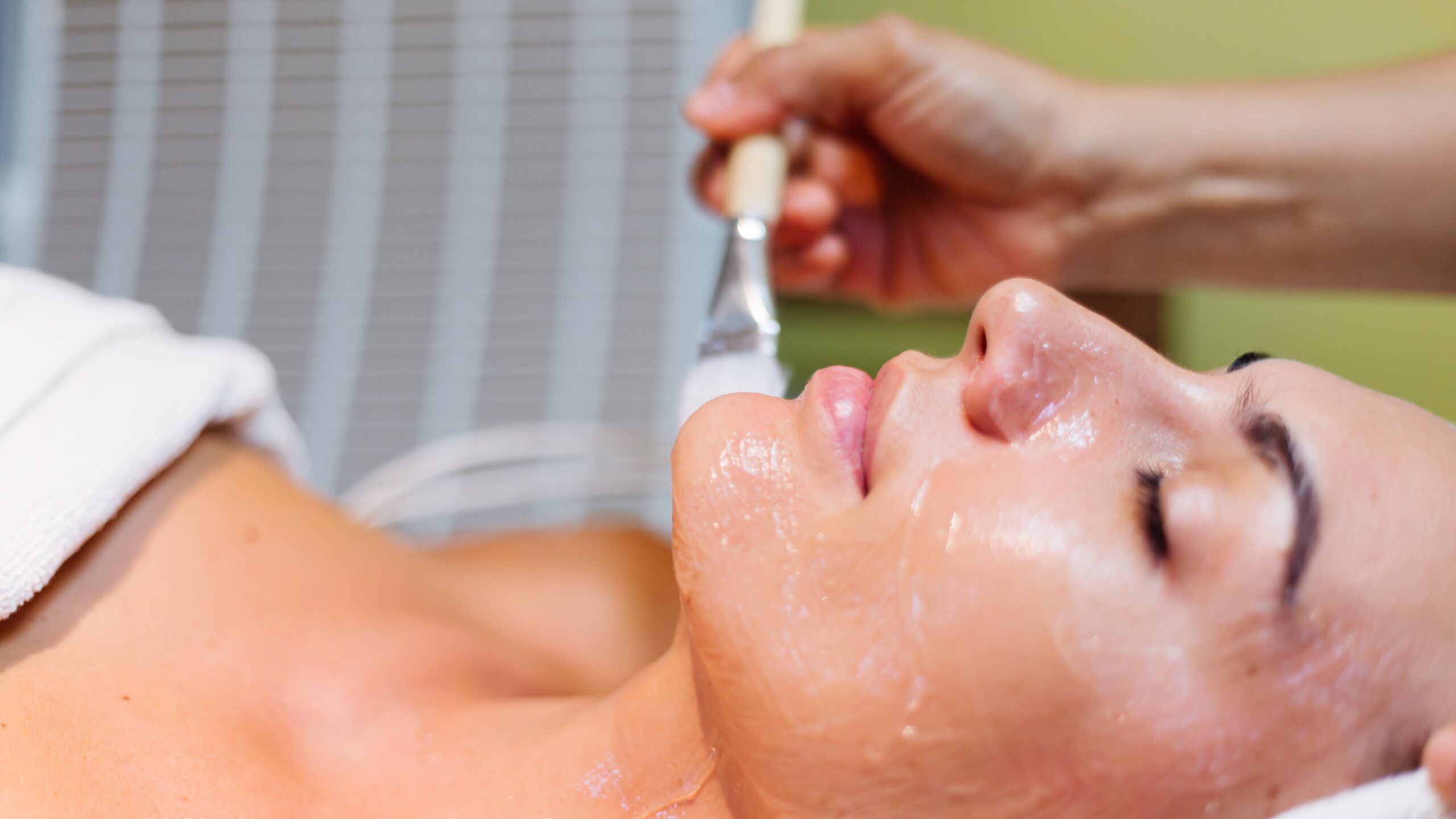
Find out more about chemical peels for aging skin, from light to deep treatments. Learn what they improve, how recovery differs, and how to choose a suitable option.
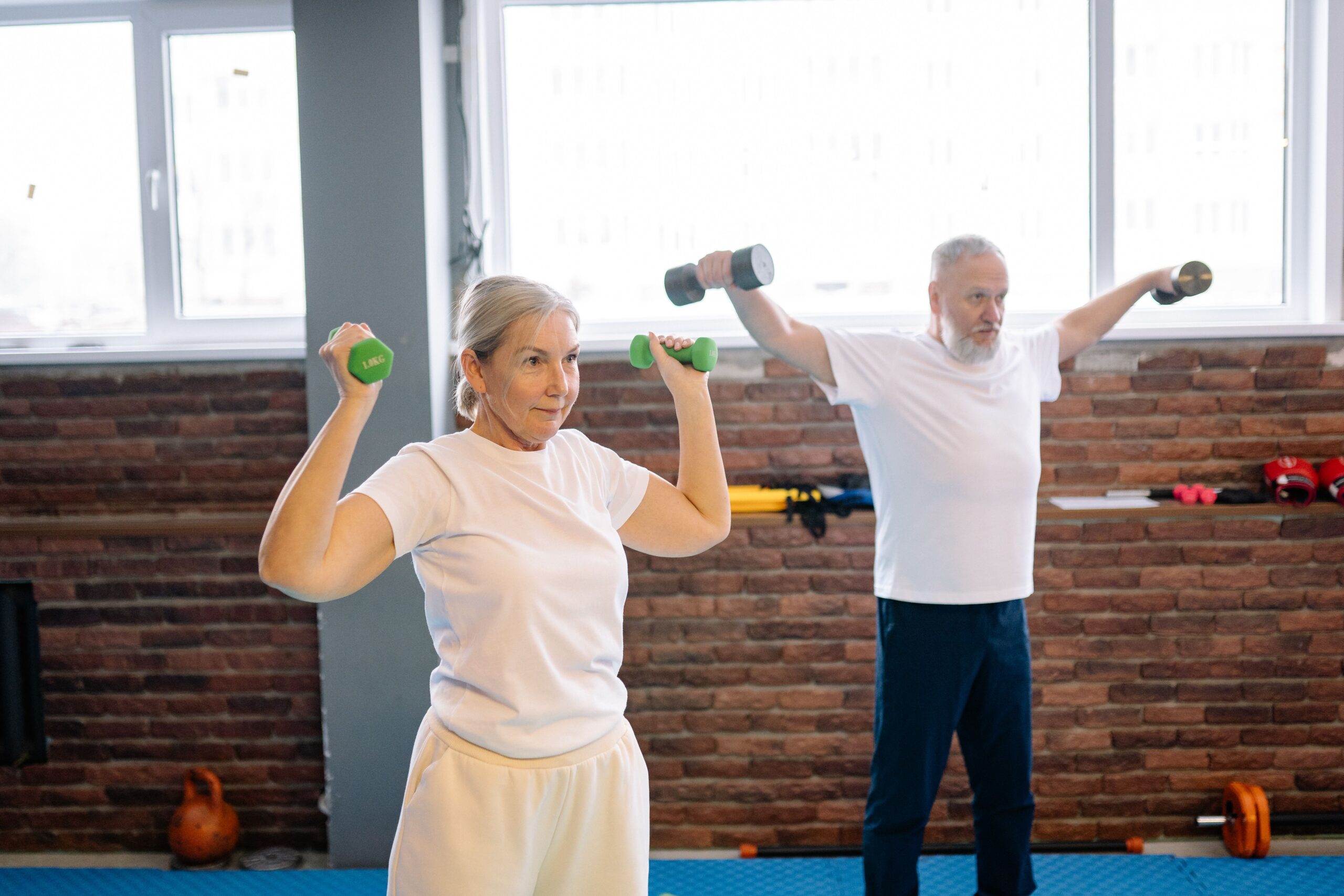
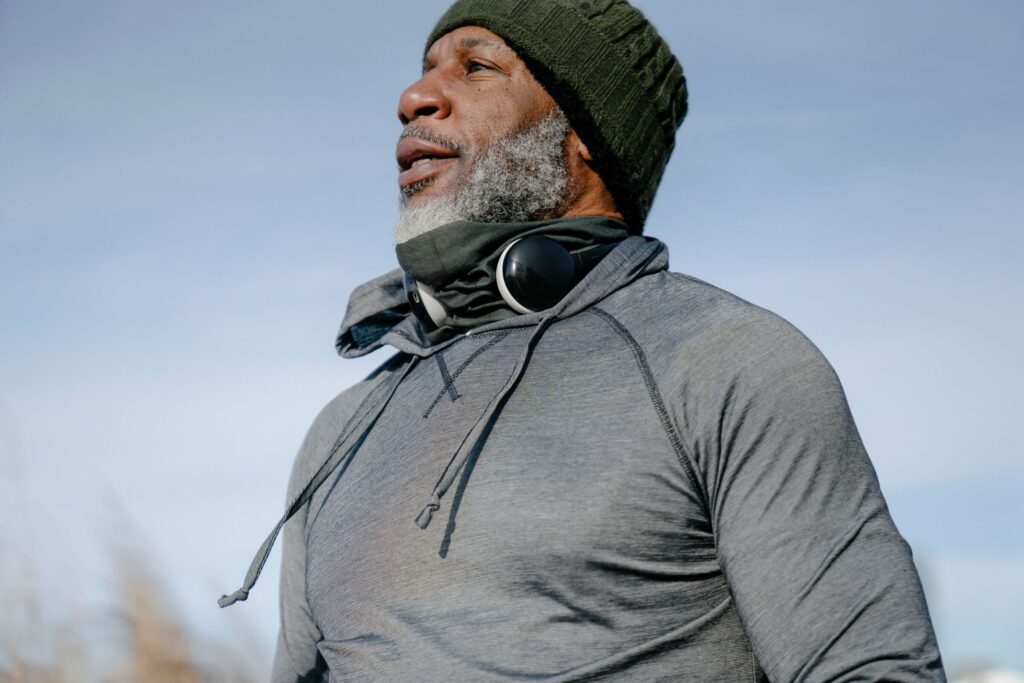
Explore creatine for older adults: benefits for strength training, common doses, side effects, and who should consider it as part of a healthy aging routine.
Exfoliating acids do more than smooth texture. Here's what the research says about how AHAs, BHA, and PHAs support aging skin, and how to use them right.
Testosterone helps maintain skin thickness, collagen density, and elasticity. Here's what the research shows about its decline and what actually helps.
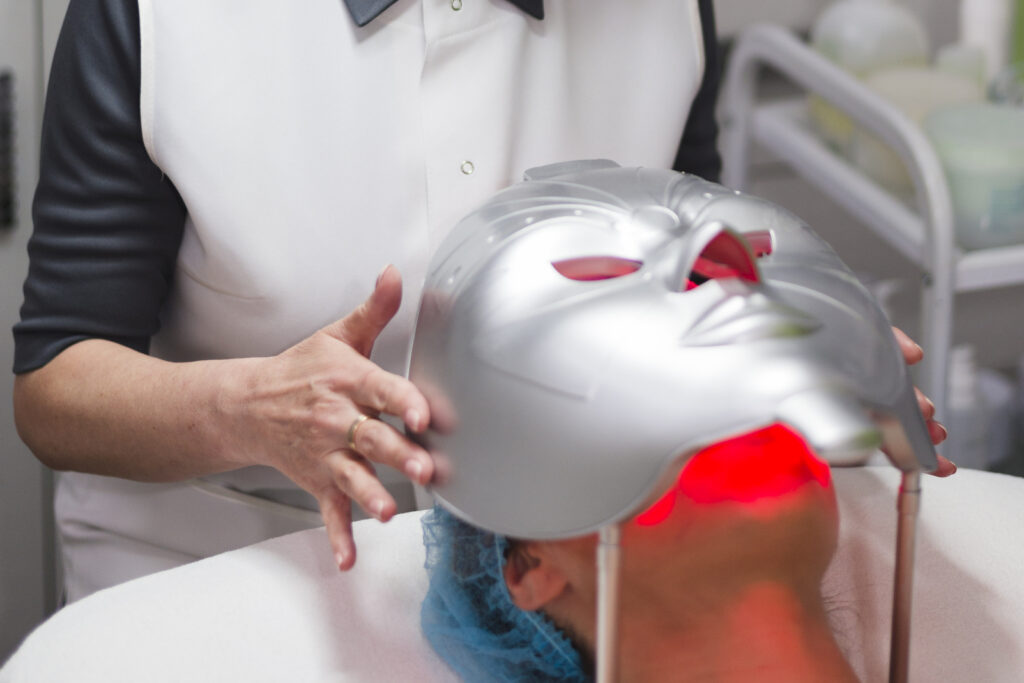
LED light therapy is backed by real clinical research, but results depend on wavelength, consistency, and where your skin is in its aging timeline. Here's what to know.
The gut-skin axis is a growing area of dermatology research linking gut bacteria to inflammation, skin barrier health, and aging. Here's what the science shows and what to eat.
Ozempic face is a documented pattern of facial volume loss and sagging linked to rapid weight loss on GLP-1 medications. Here's what causes it and how to reduce the risk.
A sunburn healing in a week is inflammation doing its job. But a chronic version never fully switches off, connecting cortisol, sugar, poor sleep, and sun exposure to almost every visible sign of skin aging.
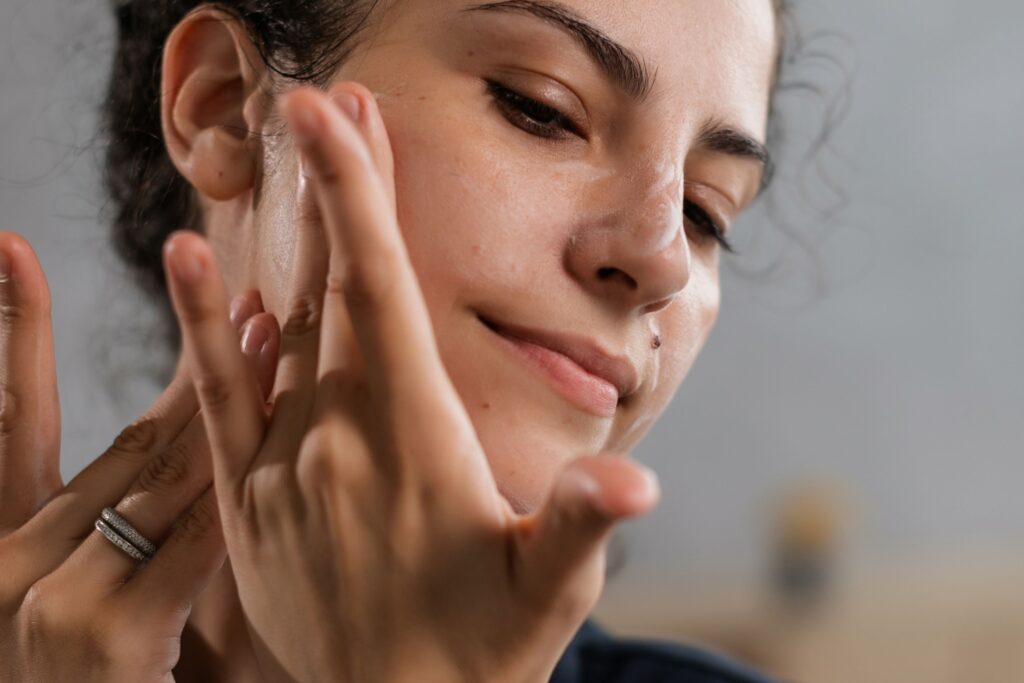
Skin dryness isn't just a sign you need a heavier cream. As skin ages, its water-holding system becomes less efficient. Here's what's changing, and what make a real difference.
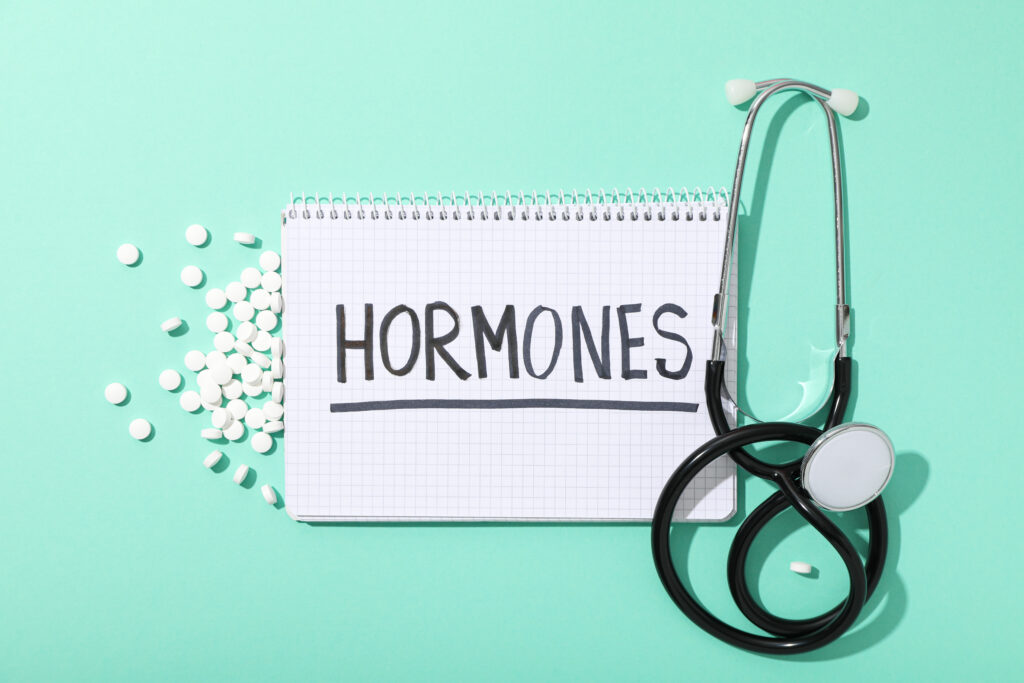
Your skin doesn't age at the same rate throughout your life, and the sharp shift many women notice in their 40s and 50s is largely hormonal. Here's what estrogen actually does for skin, and what the evidence says about HRT.
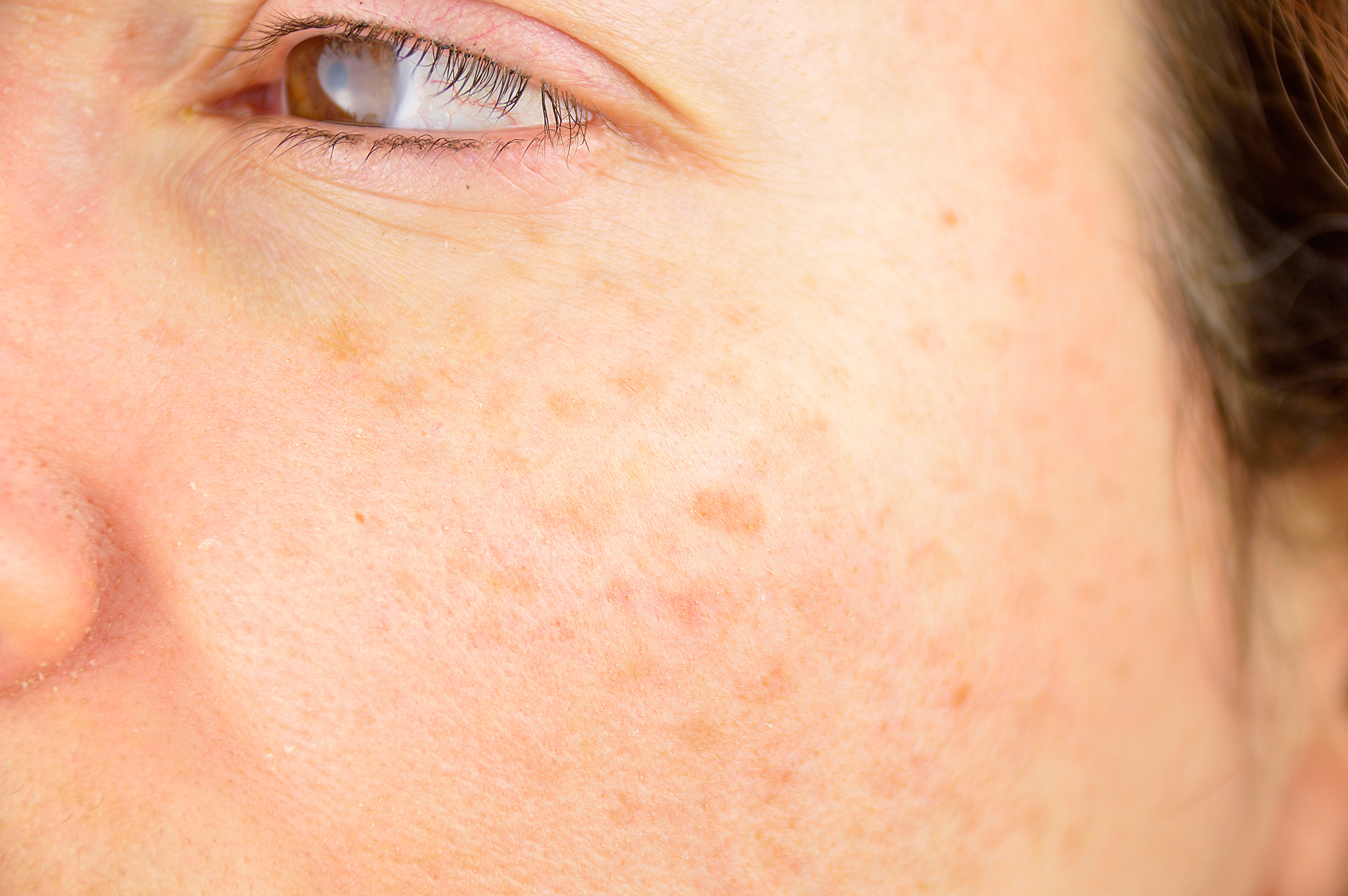
You've probably heard that vitamin C is the gold standard for sun damage. But if you've been using a vitamin C serum for months without feeling much has changed, you're not alone — and there's a real reason for that.